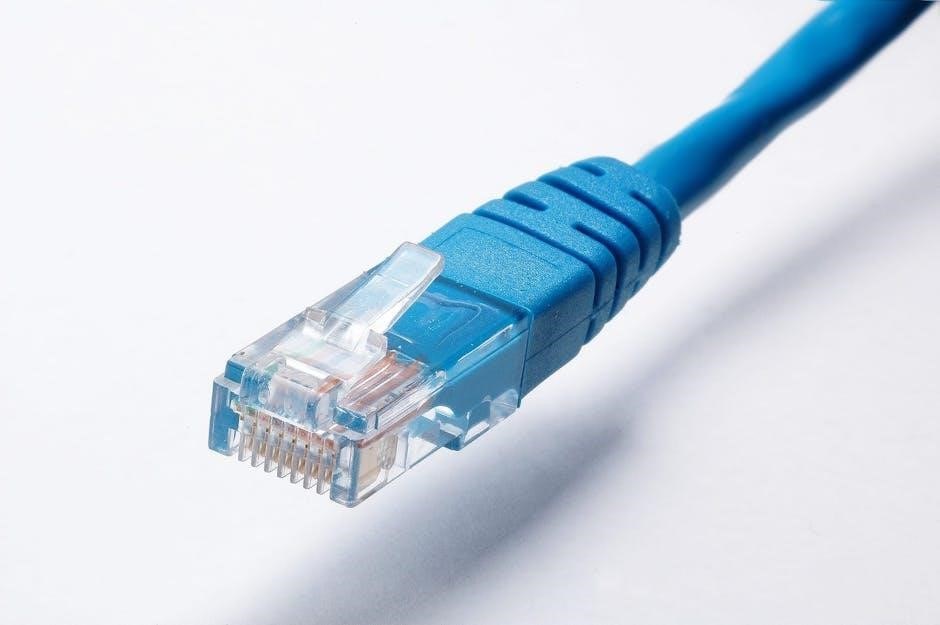
Cable guides are essential for organizing wires, much like J-channels used in vinyl siding installations.
Effective cable management transforms chaotic setups into functional, aesthetically pleasing workspaces, boosting productivity and safety.
Today, on 02/01/2026, prioritizing neat cabling is crucial for both home and industrial environments, ensuring optimal performance.
What are Cable Guides?
Cable guides encompass a diverse range of solutions designed to organize and route electrical cables and cords. These aren’t simply aesthetic improvements; they are fundamental components of a safe and efficient environment. Think of a J-channel cable raceway – a tube-like structure, mirroring those used in vinyl siding, providing a concealed pathway for wires.
Beyond raceways, cable guides include cable blocks, often weighted and magnetic, offering a simple yet effective method for securing cords. Cable sleeves and wraps bundle cables together, reducing clutter. Even under-desk cable management trays provide substantial organization. These tools address the common problem of tangled cables, preventing tripping hazards and simplifying maintenance;
Ultimately, a cable guide is any device or system that directs and supports cables, promoting order and accessibility. They are vital for both residential and industrial applications, ensuring a clean and functional space.
Why is Cable Management Important?
Cable management transcends mere aesthetics; it’s a cornerstone of safety, efficiency, and longevity for both equipment and workspaces. A cluttered cable environment presents significant tripping hazards, posing risks in homes and industrial settings. Furthermore, tangled cables can strain connections, leading to intermittent signal loss or complete failures – exemplified by frustrating “Media Test Failure” errors during system startup.
Proper organization simplifies troubleshooting and maintenance. Identifying and resolving cable connection problems becomes significantly easier when wires are neatly routed and labeled. Beyond practicality, a well-managed cable setup contributes to a more professional and productive atmosphere.
Even adjusting desk height, as suggested for ergonomic benefits, is easier with thoughtful cable routing. Ultimately, investing in cable management is investing in a safer, more reliable, and more efficient environment.

Types of Cable Guides & Management Solutions
Various solutions exist, including cable raceways (J-channels), cable blocks, under-desk trays, and sleeves.
These tools offer diverse methods for concealing and organizing cables effectively.
Cable Raceways (J-Channels)
Cable raceways, often referred to as J-channels, represent a remarkably versatile and straightforward solution for concealing and organizing cables. Borrowing a concept familiar to those working with vinyl siding, these raceways function as partial tubes, designed specifically to facilitate the easy insertion of wires and cables within their protective channel.
This method is particularly effective for managing cables along walls, baseboards, or under desks, offering a clean and streamlined aesthetic. The design allows for easy access to cables for adjustments or additions without requiring complete disassembly. They are ideal for both residential and commercial applications, providing a cost-effective way to improve cable organization and safety.
Installation typically involves adhesive backing or screws, making them adaptable to various surfaces. J-channels are available in different materials, sizes, and colors to blend seamlessly with existing décor, offering both functionality and visual appeal.
Cable Blocks & Magnetic Cord Holders
Cable blocks and magnetic cord holders offer a simple yet highly effective solution for taming cable chaos, particularly on desks and other flat surfaces. These innovative accessories, like those from Function101, are typically weighted to prevent movement and feature a magnetic design that securely holds cables in place.
Unlike traditional cable ties or clips, cable blocks don’t require adhering to surfaces, offering flexibility and re-positioning options. They are ideal for frequently connected and disconnected cables, such as charging cords or USB cables, keeping them readily accessible and preventing them from slipping off the desk.
The weighted base ensures stability, while the magnetic grip provides a secure hold without damaging the cable insulation. Available in various styles and finishes, they seamlessly integrate into any workspace, promoting a cleaner and more organized environment.
Under-Desk Cable Management Trays
Under-desk cable management trays provide a concealed and spacious solution for organizing power strips, surge protectors, and excess cable length. These trays mount directly beneath the desk surface, creating a hidden compartment for all your cabling needs, drastically reducing visible clutter.
They are particularly useful for standing desks, as noted in tutorials emphasizing maximizing workspace flexibility. Raising or lowering the desk becomes easier with cables neatly contained, and allows for temporary adjustments like working on your knees.
Available in various sizes and materials, these trays accommodate a significant number of cables and power adapters. Installation is typically straightforward, using screws or adhesive mounts. By keeping cables off the floor, they also improve safety and prevent accidental tripping hazards, contributing to a more organized and functional workspace.
Cable Sleeves & Wraps
Cable sleeves and wraps offer a flexible and cost-effective method for bundling and concealing multiple cables. These solutions range from simple Velcro straps to more elaborate, woven fabric sleeves, providing varying degrees of protection and aesthetic appeal.
Sleeves are excellent for grouping cables running along walls or floors, creating a cleaner appearance and preventing tangling. Wraps, often made of neoprene or similar materials, are ideal for individual cables, offering a streamlined look and protecting against abrasion.
They are easily adjustable and reusable, making them suitable for dynamic setups where cable configurations frequently change. While not as robust as raceways or trays, sleeves and wraps are a quick and convenient way to tame cable chaos, contributing to a more organized and visually pleasing environment;
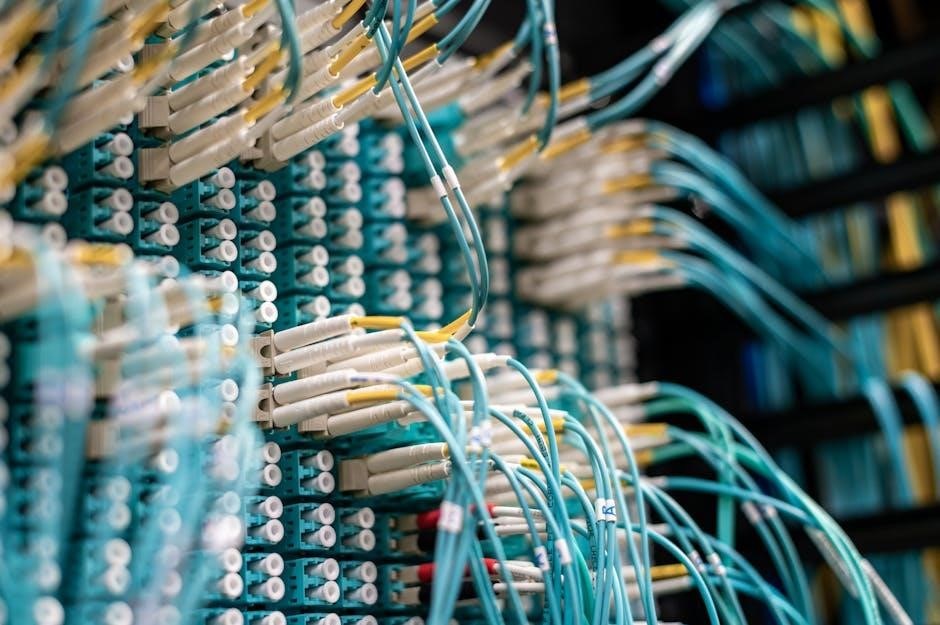
Advanced Cable Management Techniques
Advanced techniques include adjustable desk heights for easier access, utilizing virtual cables with optimized sample rates, and tailored solutions for specific industries like oil and gas.
Adjustable Desk Height & Cable Access
Adjustable desks revolutionize cable management by offering unprecedented access to hidden wiring. Lowering the desk completely, even to the point of working on your knees, provides a clear pathway for organizing and troubleshooting cables beneath the surface.
This technique, highlighted in discussions on platforms like Reddit’s r/DeskCableManagement, allows for easy rearrangement and prevents cables from becoming tangled or strained during desk adjustments. It’s particularly useful when combined with under-desk trays and other management solutions.
The ability to raise and lower the desk facilitates a more ergonomic workspace, and simplifies cable maintenance, reducing the need for contorting or straining to reach connections. This proactive approach minimizes potential damage and ensures a consistently tidy setup.
Virtual Cables & Audio Settings (Sample Rates & Latency)
Virtual Cables (VB-CABLE), while software-based, necessitate careful configuration to avoid audio issues. When utilizing virtual audio devices, ensuring consistent sample rates and minimizing latency is paramount for optimal performance. Discussions, like those by Vincent Burel, emphasize setting both the virtual cable and audio interface to the same sample rate – often 44100 Hz – to prevent choppy audio.
Although not a physical cable guide, managing these settings is a crucial aspect of a complete audio setup. Incorrect configurations can introduce delays or distortions, effectively creating a “cable” problem within the digital realm.
Optimizing these parameters ensures a smooth, uninterrupted audio experience, complementing the benefits of physical cable organization and management solutions.
Cable Management in Specific Industries
Cable management requirements vary significantly across industries. The oil and gas sector, for example, relies heavily on robust cable solutions, as demonstrated by companies like Oglaend System, a veteran in this field with over three decades of experience and a Dubai-based regional subsidiary.
Similarly, the construction industry, as highlighted by Everest Metal Industries, has historically depended on imported cable management systems, but is now fostering domestic manufacturing. These industries demand durable, reliable solutions to withstand harsh environments and ensure operational safety.
Effective cable organization isn’t merely aesthetic; it’s critical for maintaining functionality, preventing hazards, and ensuring long-term system integrity in specialized applications.
Cable Management for Home Offices

Home office cable management is crucial for creating a productive and visually appealing workspace. A cluttered desk, filled with tangled cords, can hinder focus and efficiency. Solutions like Function101’s Cable Blocks – weighted, magnetic cord holders – offer a simple yet effective way to bring order to cable chaos.
Consider utilizing under-desk cable management trays to conceal power strips and excess cabling. Adjustable desk height also plays a role; raising the desk allows for easier access and organization, as suggested by users on Reddit, who even recommend working on their knees for back relief.
Prioritizing a clean setup transforms a home office into a professional and comfortable environment.

Choosing the Right Cable Guide
Selecting the ideal cable guide depends on material – metal offers durability, while plastic provides cost-effectiveness – and ensuring sufficient size and capacity for your cabling needs.
Material Considerations (Metal vs. Plastic)
Choosing between metal and plastic cable guides involves weighing distinct advantages. Metal cable guides, often constructed from aluminum or steel, boast exceptional durability and robustness, making them ideal for industrial settings or areas prone to physical stress. They offer superior protection against impacts and can withstand higher temperatures.
However, plastic cable guides present a compelling alternative, particularly for home or office environments. They are significantly lighter, more cost-effective, and non-conductive, reducing the risk of electrical hazards. Plastic options also offer greater flexibility in terms of design and color choices.
Everest Metal Industries, for example, has focused on metal solutions for construction, highlighting the long-term value of this material. Ultimately, the best material depends on the specific application, budget, and environmental factors. Consider the level of protection required, potential exposure to harsh conditions, and overall cost-benefit analysis when making your decision.
Size and Capacity
Determining the appropriate size and capacity of cable guides is paramount for effective cable management. Consider the volume of cables needing containment – a simple desk setup requires less capacity than a server room. Guides come in various widths and depths; accurately assess the diameter and quantity of cables to prevent overcrowding, which can negate the benefits of organization.
Capacity isn’t solely about physical space. Future-proofing is vital; anticipate potential cable additions. Opting for a slightly larger guide allows for expansion without requiring immediate replacement.
Furthermore, the size of the guide should complement the surrounding environment. Bulky raceways might be unsuitable for aesthetically sensitive areas. Function101’s Cable Blocks demonstrate a focus on compact, yet effective, solutions. Careful consideration of both current and future needs ensures a long-lasting and efficient cable management system.

Troubleshooting Cable Issues
Diagnosing “Media Test Failure” errors often points to loose connections or faulty cables. Identifying and resolving these problems, alongside proper cable organization, is key.
Diagnosing “Media Test Failure” Errors
Encountering a “Media Test Failure” error during system startup typically indicates the BIOS isn’t detecting a bootable device correctly. This often stems from a compromised connection between the motherboard and storage drives. Initial troubleshooting should involve physically inspecting the SATA or NVMe cables, ensuring they are securely fastened at both ends – the drive and the motherboard.
Consider reseating the cables, even if they appear firmly connected. A slightly loose connection can disrupt data transfer. Furthermore, examine the cables themselves for any visible damage, such as bends, kinks, or frayed wires. If possible, test with a known-good cable to rule out a faulty cable as the source of the issue. Beyond the physical connections, verify the boot order within the BIOS settings, confirming the correct drive is prioritized for booting.
If the problem persists, a deeper dive into the BIOS configuration might be necessary, but always proceed with caution when altering BIOS settings.
Identifying and Resolving Cable Connection Problems
Poor cable connections manifest in various ways, from intermittent signal loss to complete device failure; Visually inspect all cables for damage – frays, kinks, or loose connectors are immediate red flags. Wiggle tests are invaluable; gently move the cable along its length while observing for signal disruption. For USB connections, try different ports on your computer, as some ports may provide insufficient power or have internal issues.
When dealing with audio cables, ensure they are fully seated in their jacks. Regarding virtual cables (VB-CABLE), confirm matching sample rates and internal latency settings to prevent choppy audio. Employ cable testers to verify continuity and identify breaks within the cable itself. Proper cable management, utilizing guides and organizers, minimizes strain and prevents accidental disconnections.
Remember, a systematic approach – visual inspection, wiggle test, port swapping, and testing – is key to pinpointing and resolving connection issues.
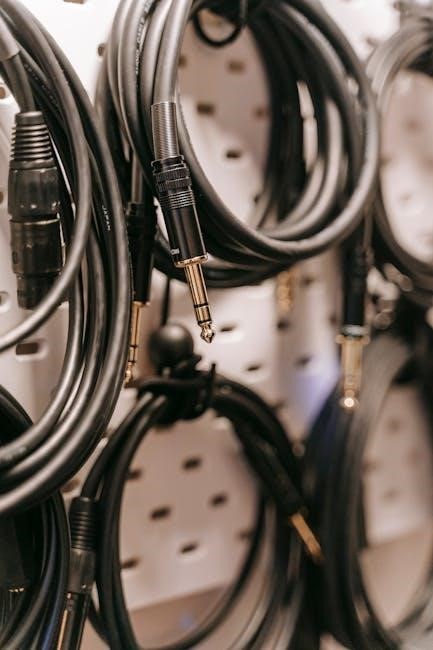
Future Trends in Cable Management
The global cable management accessories market is expanding, driven by innovation. Expect smarter systems, integrating with IoT and offering dynamic, adaptable cable routing solutions for evolving needs.
Dublin, January 29, 2025, reports significant growth in this sector.
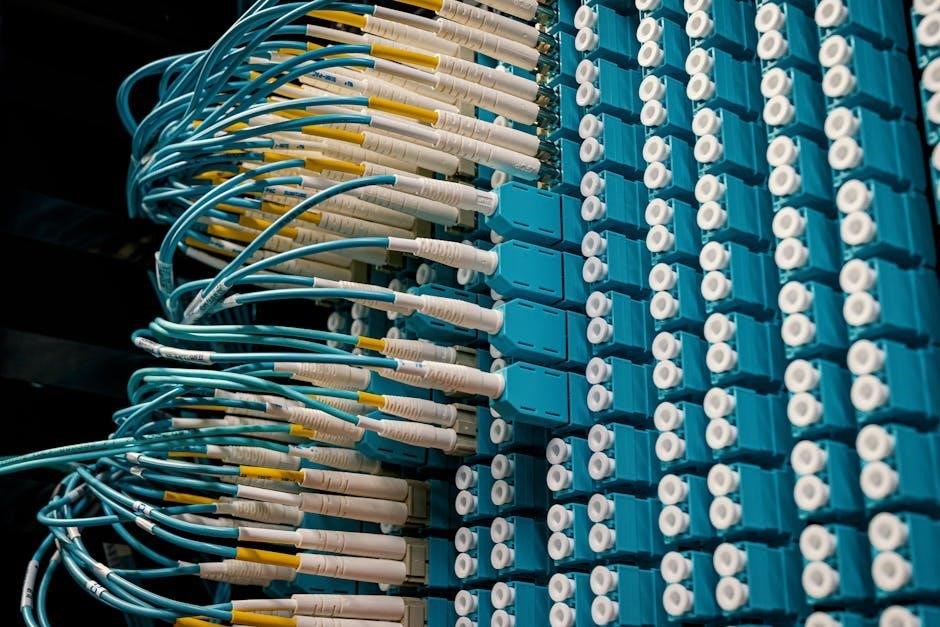
Global Market for Cable Management Accessories
The cable management accessories market is experiencing substantial growth globally, fueled by increasing demand across diverse sectors. A recent report from ResearchAndMarkets.com, dated January 29, 2025, highlights a strategic business outlook, indicating a robust expansion trajectory.
This growth is driven by factors such as the proliferation of connected devices, the expansion of data centers, and the rising adoption of smart home technologies. Industries like oil and gas, with companies like Oglaend System, a veteran in the sector, are also contributing to the demand for specialized cable management solutions.
Furthermore, the need for organized and efficient cabling in commercial buildings, residential spaces, and industrial facilities is propelling market growth. Innovations in materials and designs, coupled with a focus on sustainability, are shaping the future of this dynamic market. The market is expected to continue its upward trend, presenting significant opportunities for manufacturers and suppliers.
Innovations in Cable Management Systems
Innovations in cable management are rapidly evolving beyond traditional methods. Function101’s Cable Blocks, weighted magnetic cord holders, exemplify a shift towards elegant and effective solutions for “cable chaos.” These systems prioritize both functionality and aesthetics, addressing the growing need for organized workspaces.
Furthermore, advancements in virtual cabling, like VB-Cable, offer solutions for audio management, allowing users to optimize sample rates and minimize latency – crucial for audio professionals. Adjustable desk heights, coupled with thoughtful cable access design, are also gaining popularity, as demonstrated by user experiences shared on platforms like Reddit.
The future promises even more sophisticated systems, potentially incorporating smart technologies for automated cable routing and monitoring. These innovations aim to simplify installation, improve accessibility, and enhance the overall efficiency of cable management.