The Andes Flight Disaster: A Comprehensive Overview of the “Miracle in the Andes”
The 1972 crash, documented in accounts like “Alive,” presented an unprecedented challenge, shifting from team dynamics to a fight against a wholly unknown environment.
Historical Context & The Flight
On October 13, 1972, Uruguayan Air Force Flight 571 embarked on a chartered journey from Montevideo, Uruguay, to Santiago, Chile. The purpose was for the Old Christians Club rugby team to fulfill a scheduled match. A total of 45 individuals were aboard, including players, team officials, family members, and crew. The flight crossed the high Andes mountains, a notoriously treacherous route, even in ideal conditions.
However, unforeseen circumstances quickly unfolded. Poor weather conditions, including low visibility and strong winds, enveloped the aircraft as it approached the Andes. A navigational error led the pilots to believe they had already cleared the mountain range when, in reality, they were descending directly towards a formidable peak. This critical miscalculation set the stage for the catastrophic events that would soon follow, forever etching the “Miracle in the Andes” into history. The flight’s trajectory and the subsequent crash were a confluence of unfortunate factors.
The Crash Site & Initial Conditions
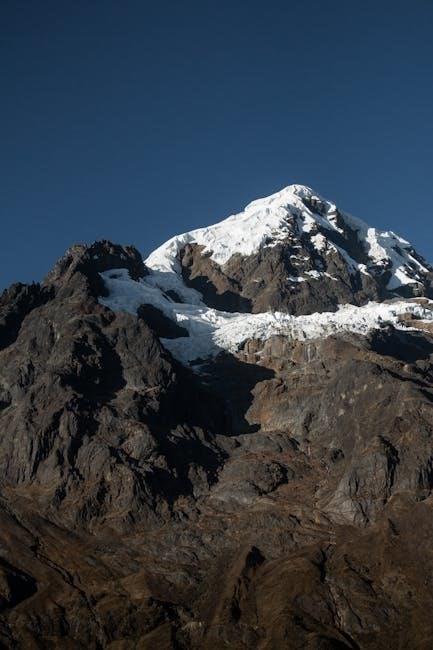
The Fairchild 571 impacted the western slope of the Andes mountains at an altitude of approximately 11,800 feet (3,600 meters). The crash occurred on a remote and desolate section of the range, covered in snow and ice. The fuselage of the aircraft came to rest partially intact, but severely damaged, creating a precarious shelter for the survivors. Initial conditions were brutally harsh; the immediate aftermath brought freezing temperatures, limited oxygen due to the altitude, and a complete lack of communication with the outside world.
Survivors faced immediate challenges including injuries sustained during the impact, shock, and the daunting realization of their isolation. The wreckage offered minimal supplies – some food, basic first aid, and limited clothing. The surrounding terrain was unforgiving, presenting steep slopes and treacherous snowfields. The initial days were marked by a desperate struggle to assess the situation, tend to the wounded, and attempt to establish some semblance of order amidst the chaos and despair.
The Immediate Aftermath: First Days of Survival
The initial 72 hours were dominated by shock, tending to the injured, and a futile search for any sign of rescue. Survivors, many with severe wounds, worked to create a makeshift shelter within the wreckage of the fuselage. The immediate priority was conserving dwindling supplies and rationing food, though the quantity was woefully inadequate for the number of people. A sense of hope persisted, fueled by the belief that search parties would quickly locate them.
However, as days passed without contact, despair began to set in. The harsh Andean environment presented relentless challenges – freezing temperatures, intense sunlight reflecting off the snow, and the constant threat of avalanches. Leadership emerged organically, with individuals like Marcelo and the captains attempting to maintain order and morale. The survivors faced the grim reality of their situation: they were alone, stranded, and facing a desperate fight for survival in one of the world’s most unforgiving landscapes.
Initial Supplies & Resource Management
The salvaged luggage yielded a meager collection of resources: some food items, clothing, blankets, and a small first-aid kit. This initial inventory was quickly assessed, and strict rationing was implemented, recognizing the dire need to extend their supplies for an unknown duration. Survivors meticulously searched the wreckage for anything usable, including fabric for insulation and metal pieces for tools.
Water procurement became a critical concern. Initially, they melted snow, but this proved energy-intensive. Resourcefulness led to the collection of rainwater and condensation. The limited fuel supply was carefully managed for warmth and melting snow. As time progressed, the dwindling supplies forced increasingly difficult decisions, ultimately leading to the unimaginable – a desperate measure born of necessity. The management of these scarce resources, and the ethical dilemmas they presented, defined their struggle for survival.
The Search Efforts: Early Rescue Attempts
Initial search operations were hampered by the harsh Andean weather conditions – blizzards and low visibility severely restricted air searches. Uruguayan and Chilean air forces launched extensive, yet ultimately unsuccessful, flyovers in the days immediately following the crash. The remote and mountainous terrain presented significant navigational challenges, making pinpointing the wreckage incredibly difficult.
Communication failures further complicated the rescue efforts. The plane’s radio was damaged beyond repair, leaving the survivors isolated and unable to signal for help. Early search patterns were based on the flight plan, but the aircraft had drifted significantly off course. As days turned into weeks, hope began to fade, and the scale of the search was gradually reduced, despite continued pleas from families. The lack of definitive evidence led to the premature cessation of active searching, a decision that would profoundly impact the survivors’ fate.
The Harsh Andean Environment: Challenges Faced
The survivors confronted a brutal and unforgiving landscape. Extreme cold, with temperatures plummeting well below freezing, posed an immediate and constant threat of hypothermia. The high altitude induced altitude sickness, causing debilitating headaches, nausea, and fatigue, severely limiting their physical capabilities. Scarcity of oxygen further exacerbated these effects, making even simple tasks exhausting.
Resource acquisition proved incredibly difficult. The initial supplies salvaged from the wreckage were limited, and finding sustainable sources of food and water was paramount. Melting snow for water was energy-intensive, and the lack of adequate shelter exposed them to the elements. The rugged terrain, characterized by steep slopes and treacherous crevasses, hindered movement and increased the risk of injury. The environment itself became a relentless adversary, testing the limits of human endurance and resilience.
Avalanche Tragedy: Loss of Life & Impact on Morale
A devastating avalanche struck the makeshift shelter, burying several survivors and claiming the lives of eight individuals. This catastrophic event occurred after a period of relative stability, delivering a crushing blow to their already fragile hope. The sudden loss of life was a profound shock, intensifying the psychological trauma and grief experienced by those who remained.
The avalanche’s impact extended beyond the immediate casualties. It shattered the group’s morale, fostering a sense of despair and helplessness. The realization of their vulnerability in the face of nature’s power was deeply unsettling. The tragedy forced a re-evaluation of their situation and a renewed focus on survival, but the emotional scars lingered, casting a long shadow over their remaining ordeal. It tested their faith and resolve, pushing them to the brink of collapse.
Leadership Dynamics & Group Cohesion
Initial leadership fell to Marcelo, the team captain, adept at managing a familiar competitive environment. However, the Andes presented a drastically different challenge – a fight for survival against an unknown adversary. This shift necessitated a re-evaluation of leadership qualities, moving beyond sporting strategy to encompass resourcefulness, emotional resilience, and the ability to inspire hope in the face of overwhelming adversity.
Group cohesion proved vital, yet was constantly tested by dwindling resources, physical hardship, and psychological strain. Maintaining unity required navigating conflicting personalities and managing despair. Shared responsibility for tasks, coupled with a collective determination to survive, fostered a sense of camaraderie. The survivors relied on each other for emotional support, practical assistance, and a shared belief in the possibility of rescue, demonstrating the power of collective will.
Marcelo’s Leadership & the Shift in Challenges
Marcelo’s initial authority, stemming from his role as rugby team captain, proved insufficient when confronted with the unprecedented challenges of the Andes. His expertise lay in leading against a defined opponent, a rugby team, within understood parameters. The crash demanded a new skillset – one focused on survival, resource management, and maintaining morale amidst unimaginable hardship.
The shift in challenges forced a decentralization of leadership. While Marcelo initially organized efforts, the extreme circumstances required individuals to step up based on their strengths. This included medical care, rationing supplies, and ultimately, the perilous decision to trek for help. The focus moved from team strategy to individual resilience and collaborative problem-solving. Marcelo’s role evolved into supporting these emerging leaders, recognizing the need for adaptability and shared responsibility in their desperate situation.
The Decision to Trek for Help
Facing dwindling supplies and the grim realization that rescue wasn’t imminent, the survivors confronted a harrowing choice: remain and potentially succumb to starvation, or attempt a trek across the treacherous Andes Mountains in search of civilization. This decision wasn’t taken lightly, acknowledging the immense physical toll and the uncertain odds of success.
The expedition was ultimately entrusted to Roberto Canessa and Nando Parrado, chosen for their physical condition and determination. They were heavily burdened with layers of clothing, their already weakened bodies struggling with each step. Accounts detail the extreme weight loss – Parrado losing 45 kilos – and the sheer exhaustion endured during the ten-day journey. Despite the physical limitations, the unwavering hope of finding help propelled them forward, culminating in a miraculous encounter that led to their rescue and, ultimately, the salvation of the remaining survivors;
Roberto Canessa & Nando Parrado’s Expedition

Chosen for their resilience, Roberto Canessa and Nando Parrado embarked on a desperate ten-day trek westward, aiming to reach populated areas of Chile. Their journey was fraught with peril, navigating unforgiving terrain and battling extreme weather conditions while severely weakened from starvation and exposure. They were burdened by multiple layers of clothing, adding to their physical strain.
The expedition pushed both men to their absolute physical limits. Canessa and Parrado described reaching a point where no strength remained, yet they were compelled to continue. Their determination stemmed from the hope of saving their comrades. After enduring immense hardship, they stumbled upon a Chilean shepherd, Sergio Catalán, on December 21st, initiating the rescue operation that would bring the remaining survivors home. This courageous act stands as a testament to their unwavering spirit and the power of human endurance.
The Physical Toll of the Trek
The arduous journey undertaken by Canessa and Parrado exacted a devastating physical toll. Both men experienced significant weight loss – Canessa losing 45 kilograms – and suffered from the cumulative effects of starvation, dehydration, and extreme cold. Their bodies were weakened, and even the weight of their clothing, layers of jeans and sweaters, became a burden with each agonizing step.
Beyond weight loss, their skin, hair, and even shoes contributed to the overall physical strain. The relentless trek through the Andes pushed them to the brink of collapse, forcing them to confront their physical limitations. Despite the overwhelming discomfort and exhaustion, they pressed onward, driven by the desperate hope of finding help for their remaining companions. The sheer physical endurance required was a testament to their will to survive against impossible odds;
Navigating the Andes: Terrain & Weather
The Andean landscape presented formidable obstacles to Canessa and Parrado’s desperate trek. The terrain was relentlessly challenging, characterized by steep inclines, rocky paths, and unpredictable conditions. Blizzards and harsh weather patterns significantly hampered their progress, reducing visibility and increasing the risk of exposure. The absence of readily available landmarks further complicated their navigation, forcing them to rely on instinct and limited geographical knowledge.
Rescue attempts were also hindered by these same conditions; a summer trek would have allowed for better visibility for search parties. The extreme cold, while initially protective against head injuries, became a constant threat, exacerbating their weakened physical state. Successfully traversing this unforgiving environment demanded immense resilience and a profound understanding of the risks involved, turning their journey into a battle against both the terrain and the elements.
The Role of Faith & Spirituality
Amidst unimaginable hardship, faith and spirituality became crucial coping mechanisms for the survivors; Many turned to religion, finding solace and strength in prayer and shared beliefs. This inner resilience helped them confront the psychological trauma of isolation, loss, and the agonizing decisions they faced. The concept of a “miracle” permeated their experience, not necessarily in a religious sense, but as a testament to the human spirit’s capacity to endure.
Eduardo Strauch’s reflections highlight the profound impact of the ordeal, emphasizing the search for meaning in the face of utter devastation. While the physical challenges were immense, the internal struggle to maintain hope and a sense of purpose proved equally vital. This spiritual dimension, interwoven with their fight for survival, contributed significantly to their collective will to live and ultimately, to their rescue.
Psychological Impact of Isolation & Trauma
The prolonged isolation and extreme trauma inflicted a deep psychological toll on the survivors. Facing starvation, freezing temperatures, and the loss of loved ones created an environment ripe for despair and mental breakdown. The sheer hopelessness of their situation, coupled with the agonizing ethical dilemmas, led to profound emotional distress and lasting psychological scars.
Accounts from survivors, like those detailed in “Alive,” reveal the struggle to maintain sanity amidst such horrific circumstances. The constant threat of death, the guilt associated with survival, and the haunting memories of the crash and its aftermath contributed to long-term psychological challenges. The experience fundamentally altered their perceptions of life, death, and the human condition, leaving an indelible mark on their psyches.
The Controversial Issue of Survival Cannibalism
The most controversial aspect of the Andes flight disaster is undoubtedly the survivors’ resort to cannibalism. Faced with starvation and dwindling hope of rescue, the group made the agonizing decision to consume the bodies of those who had perished. This act, born of desperation, remains a deeply disturbing and ethically complex element of the story, sparking intense debate and moral scrutiny.
Survivors wrestled with the profound psychological and spiritual implications of their actions. While acknowledging the taboo nature of cannibalism, they maintained it was a necessary evil, a last resort to sustain life in the face of certain death. The decision wasn’t taken lightly, and the act was performed with reverence and respect for the deceased, as detailed in survivor accounts like those found within the “Alive” narrative. It remains a haunting testament to the extremes of human survival.
The Discovery of Survivors & Rescue Operation
After ten arduous days trekking through the unforgiving Andes, Roberto Canessa and Nando Parrado stumbled upon a Chilean shepherd, Sergio Catalán, on December 21, 1972. This encounter initiated the miraculous rescue operation that would bring an end to their 72-day ordeal. The men, severely weakened and suffering from frostbite and malnutrition, alerted Catalán to the presence of other survivors still stranded in the mountains.
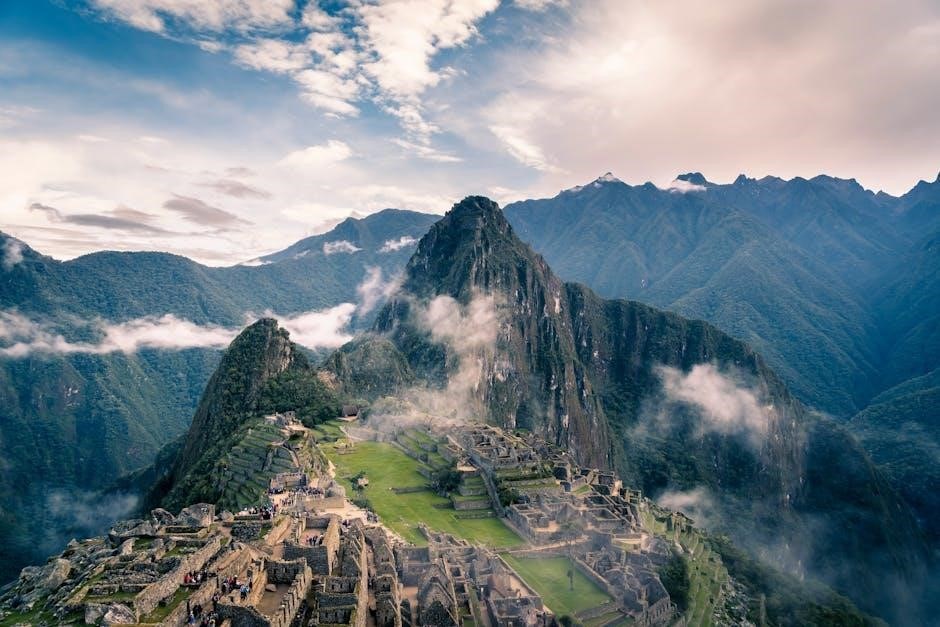
Catalán immediately contacted the Chilean authorities, triggering a massive air and ground search. The initial skepticism surrounding their story quickly dissolved as rescue teams located the remaining sixteen survivors at the crash site. The rescue operation, conducted under challenging weather conditions, was a testament to the dedication and perseverance of the Chilean military and rescue personnel. The survivors’ return to civilization was met with global astonishment and profound relief, solidifying the event as the “Miracle in the Andes.”
The Return to Civilization & Public Reaction
The survivors’ arrival back in Chile and subsequent return to their respective homes sparked a global media frenzy. The story of their resilience, resourcefulness, and ultimate survival captivated the world, quickly becoming known as the “Miracle in the Andes.” However, the revelation of their controversial means of survival – resorting to cannibalism to endure the extreme conditions – ignited intense ethical and religious debate.
Public reaction was deeply divided, ranging from admiration for their will to live to condemnation of their actions. The survivors faced scrutiny and judgment, grappling with the psychological trauma of their experience and the moral implications of their choices. Despite the controversy, the story also inspired a profound sense of awe and respect for the human spirit’s capacity to overcome unimaginable adversity. The 40th anniversary in 2012 brought renewed attention to their story, prompting further reflection and remembrance.
Long-Term Effects on Survivors
The ordeal left an indelible mark on the survivors, extending far beyond their physical recovery. Many struggled with profound psychological trauma, including post-traumatic stress disorder (PTSD), survivor’s guilt, and recurring nightmares. The ethical weight of their survival choices, particularly the act of cannibalism, continued to haunt them, leading to internal conflict and societal judgment.
Despite the challenges, the survivors largely dedicated their lives to family, careers, and advocating for disaster preparedness. Several wrote memoirs – like Pedro Algorta’s in 2016 – detailing their experiences and offering insights into the psychological toll. They formed a strong bond, providing mutual support and understanding. The experience fostered a deep appreciation for life and a commitment to living each day to the fullest, forever changed by the “Miracle in the Andes” and its lasting consequences.
The “Miracle in the Andes” in Popular Culture
The harrowing tale of Flight 571 quickly transcended news reports, becoming a subject of intense public fascination and artistic interpretation. The 1972 disaster inspired numerous books, most notably “Alive” by Piers Paul Read, which provided a detailed account of the survivors’ ordeal and sparked widespread debate.
Frank Marshall’s 1993 film, also titled “Alive,” brought the story to a wider audience, depicting the physical and emotional struggles faced by the passengers. Beyond these prominent works, the event has been referenced in other media, including documentaries and fictional narratives. The 40th anniversary in 2012 prompted renewed interest, with further publications like “A Rock and a Hard Place” and “Alone in the Death Zone” exploring individual survivor stories. The enduring appeal lies in the extraordinary resilience of the human spirit against impossible odds, cementing its place as a modern survival legend.
Books & Films: “Alive” and Beyond
Piers Paul Read’s “Alive” (1974) remains the definitive literary account, meticulously reconstructing the events from survivor testimonies. This book served as the foundation for the 1993 film adaptation, directed by Frank Marshall, which offered a visually compelling, though dramatized, portrayal of the tragedy. However, the story didn’t end there.
Subsequent publications, such as Eduardo Strauch’s “The Sole Survivor of Flight 626” (2009) and Nando Parrado’s “Miracle of Stairway B” (2001), provided deeply personal perspectives, detailing the psychological and physical toll of survival. These memoirs, alongside others like “A Rock and a Hard Place” (2003), offer nuanced insights beyond the initial narrative. Documentaries and smaller-scale films have also explored specific aspects of the disaster, ensuring the “Miracle in the Andes” continues to resonate with audiences, prompting reflection on human endurance and the limits of survival.
The 40th Anniversary & Ongoing Remembrance
The 40th anniversary in 2012 sparked a renewed wave of media attention and remembrance, prompting reflections on the enduring legacy of the disaster. Survivors participated in interviews and commemorative events, sharing their stories with a new generation. This milestone served as a catalyst for revisiting the ethical and moral complexities surrounding the events, particularly the controversial decision to resort to cannibalism for survival.
Ongoing remembrance takes many forms, from online forums and documentaries to academic studies analyzing the psychological impact of extreme trauma. The story continues to inspire discussions about disaster preparedness, leadership under pressure, and the resilience of the human spirit. The “Miracle in the Andes” remains a potent symbol of hope and survival against seemingly insurmountable odds, ensuring the memory of those lost and the courage of those who endured will not fade.
Lessons Learned: Disaster Preparedness & Survival
The Andes flight disaster offers crucial lessons in disaster preparedness and survival, extending beyond aviation. The initial lack of adequate supplies highlighted the importance of comprehensive emergency kits, including high-calorie food, warm clothing, and signaling devices, for any remote travel. Effective leadership, as initially demonstrated by Marcelo, then adapted to the unique circumstances, proved vital, though the shift in required skills was significant.
Survival hinged on resourcefulness, teamwork, and maintaining morale in the face of unimaginable hardship. The expedition undertaken by Canessa and Parrado underscored the necessity of calculated risk-taking and physical endurance. The incident also emphasizes the critical role of search and rescue operations, and the impact of weather conditions on their effectiveness. Ultimately, the “Miracle in the Andes” demonstrates the extraordinary capacity of humans to endure and overcome even the most devastating circumstances.
The Impact of Weather Conditions on Rescue Efforts
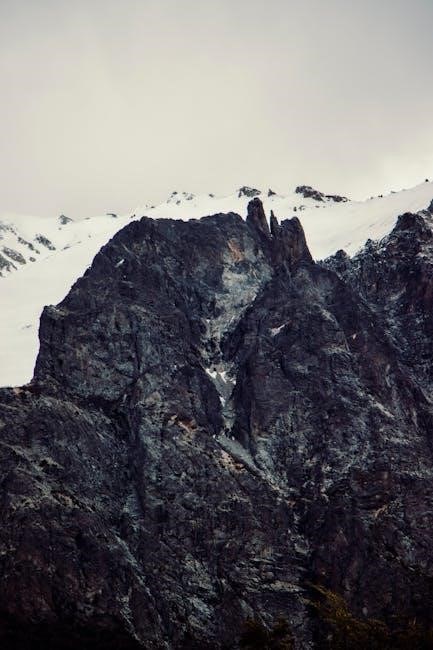
The severe Andean weather dramatically hindered initial rescue attempts following the 1972 crash. Blizzards and challenging terrain obscured the wreckage, making aerial searches incredibly difficult. The lack of visibility significantly delayed the discovery of the survivors, extending their ordeal and diminishing their chances of early rescue. Had conditions been milder, rescuers might have been able to locate the plane more quickly and efficiently.
The absence of snowmelt, as noted in contemporary analyses, would have impacted the survivors’ ability to obtain water during warmer periods, potentially hindering their trek for help. Conversely, the cold, while brutal, initially preserved bodies and may have mitigated some immediate health risks. The unpredictable and harsh climate consistently presented a formidable obstacle, emphasizing the critical need for robust weather forecasting and adaptable rescue strategies in mountainous regions.
The Sole Survivor Stories and Their Significance
Individual narratives from survivors like Eduardo Strauch, detailed in memoirs such as “Alone in the Death Zone,” offer profoundly moving accounts of resilience and the psychological toll of extreme isolation. These stories highlight the personal limits of physical endurance, exemplified by Roberto Canessa and Nando Parrado’s arduous trek for help, where they lost significant weight and battled exhaustion.
Pedro Algorta’s reflections on the shift in leadership from team captain Marcelo to navigating an entirely new, unprecedented challenge underscore the adaptive nature of survival. The accounts reveal the agonizing decisions faced, including the controversial necessity of cannibalism, and the enduring impact of trauma. These deeply personal experiences collectively demonstrate the extraordinary capacity of the human spirit to endure and the lasting significance of the “Miracle in the Andes” as a testament to survival against impossible odds.